Loading…
 Loading…Loading…
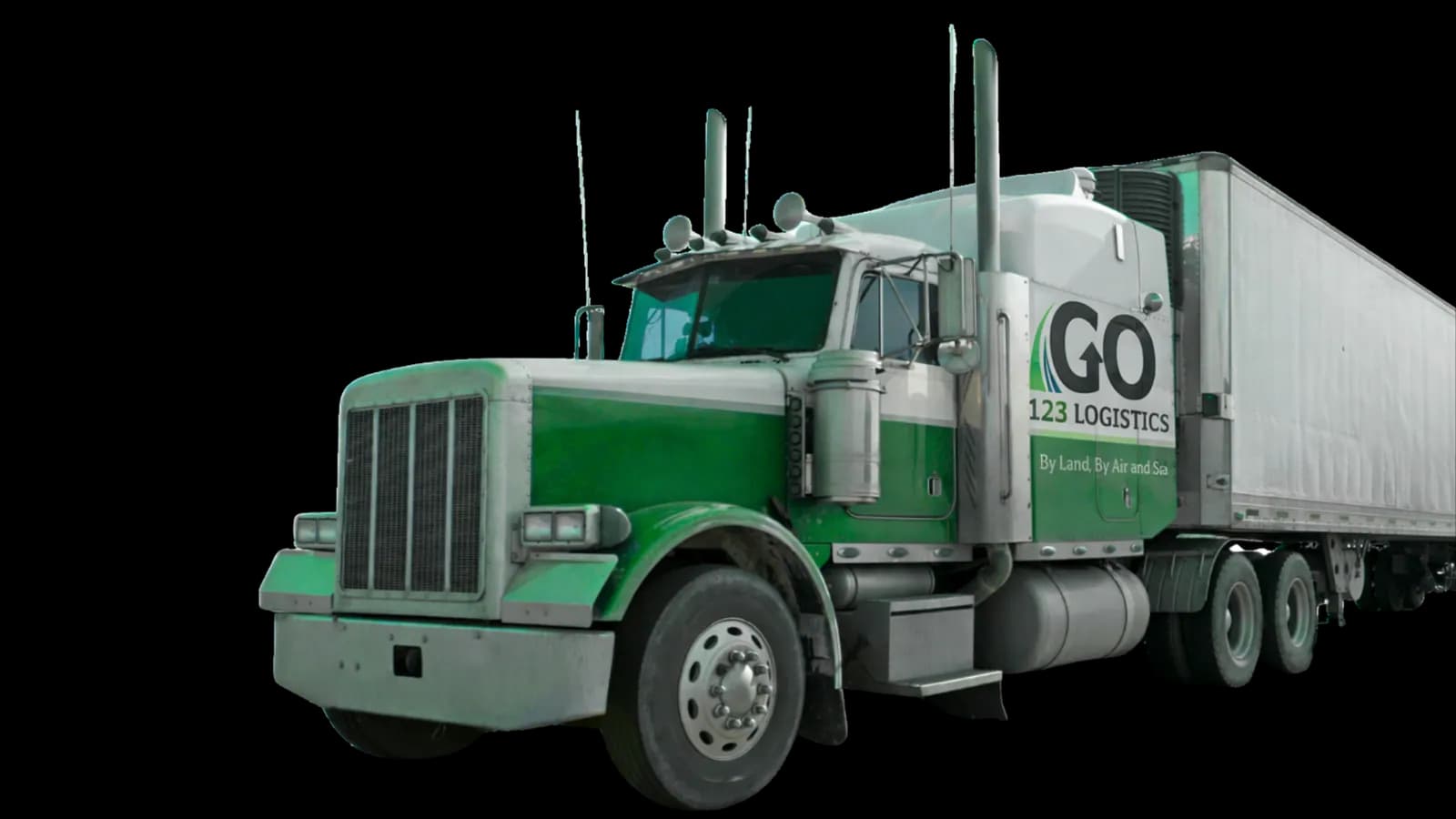
Shared-trailer freight for 1–6 pallets. Pay only for the space you use, with full tracking and no surprise accessorials.
LTL (less-than-truckload) shipping lets you move smaller freight loads by sharing trailer space with other shippers. GO123 Logistics handles freight class determination, carrier selection, pickup coordination, milestone tracking through the terminal network, and final delivery — so your LTL shipment moves at the right rate without billing surprises.
Overview
In an LTL shipment, your freight shares a trailer with cargo from other companies. A carrier picks up multiple shipments on a route, consolidates them at an origin terminal, moves them via line-haul to a destination terminal, and dispatches for local delivery. This keeps costs low for smaller loads — you pay only for your portion of the trailer, not the whole truck.
The trade-off is transit time and handling: freight passes through at least two terminals (more on longer lanes), which adds 1–3 days versus a dedicated truck and creates more handling opportunities. Solid packaging and an accurate freight class make the difference between a smooth shipment and a damage or reclass claim.
Services
We verify your commodity's correct NMFC class and density before quoting — preventing reclassification charges that show up as surprise line items after delivery.
We compare LTL carrier tariffs on your specific lane, balancing transit days, damage record, and total cost — not just the base linehaul rate.
Liftgate, residential, limited-access, inside delivery, appointment scheduling — we identify what applies to your shipment up front so nothing appears on the invoice as a surprise.
We monitor your freight through the carrier's terminal network and flag exceptions early, so you know where your shipment is without having to chase updates.
Process
We determine the correct NMFC freight class and density, then compare LTL carrier rates on your lane to surface the best combination of price and transit time.
We book pickup with the carrier and confirm the window, equipment needs (liftgate, inside pickup), and any site-access requirements at your origin.
Your freight enters the carrier's terminal network, is consolidated with other shipments, and begins its line-haul movement toward the destination region.
Freight moves through intermediate hubs as needed. We monitor milestones and flag delays early so you're never left guessing.
At the destination terminal, freight is sorted and dispatched for final delivery. We coordinate any appointment or special delivery requirements in advance.
Reference
| Class | Typical Freight Type | Rate Impact |
|---|---|---|
| 50 | Heaviest / densest: bricks, sand, machinery parts | Lowest cost per lb |
| 85 | Crated machinery, cast iron, motors | Mid-range |
| 100 | Boat covers, car covers, wine cases | Mid-range |
| 125 | Small household appliances | Above average |
| 175 | Clothing, couches, stuffed furniture | Higher |
| 300 | Wood cabinets, mattresses, flat-screen TVs | High |
| 400 | Deer antlers, ping-pong balls | Very high |
| 500 | Lightest / least dense: gold dust, bags of air | Highest cost per lb |
FAQ