FTL Freight Shipping
Dedicated truckload from pickup to delivery. Fewer touches, faster transit, and predictable timing for time-sensitive or high-volume freight.
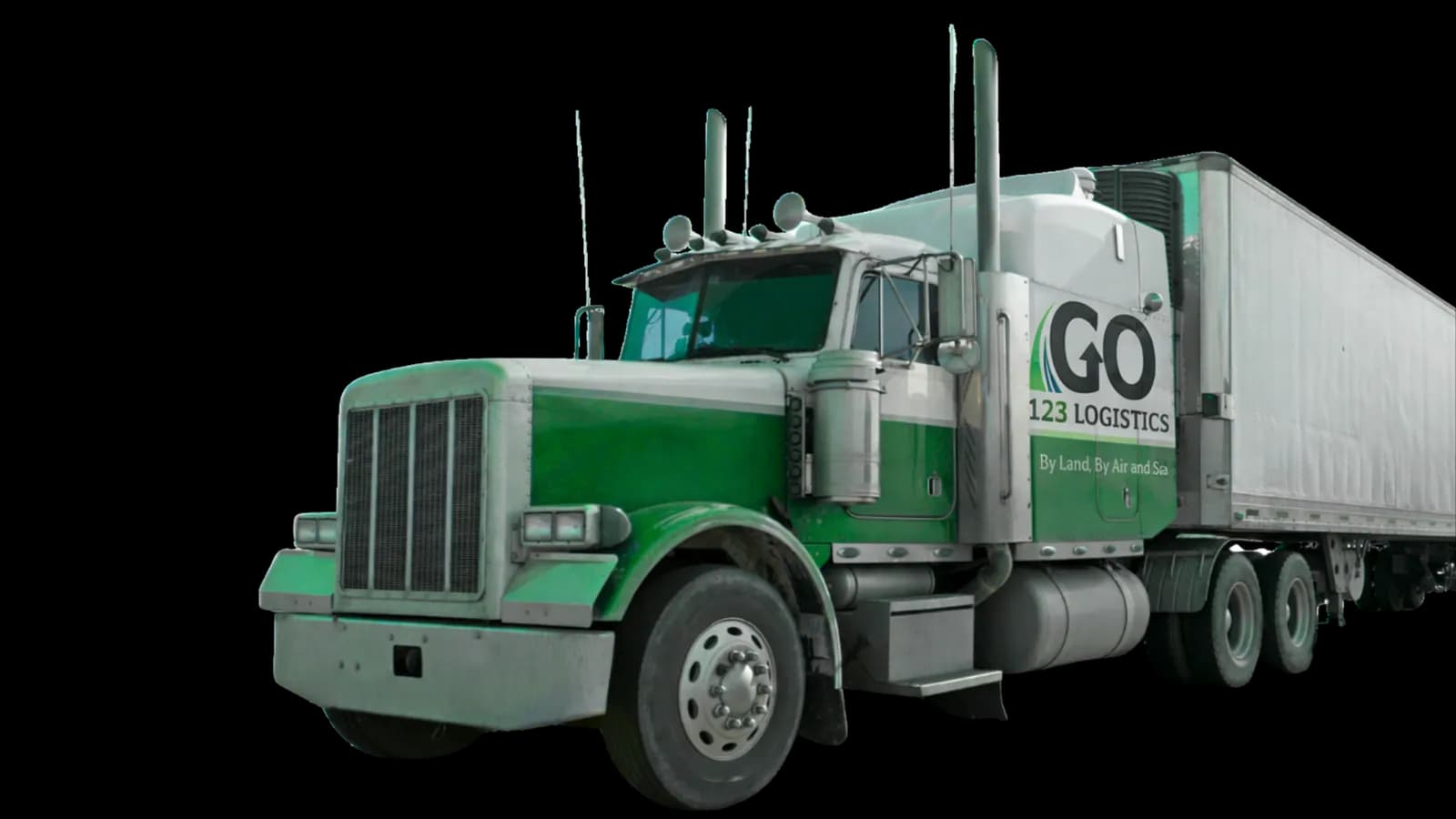
FTL (full truckload) shipping dedicates an entire truck to your freight — no shared space, no terminal stops, and fewer handling touches than LTL. GO123 Logistics sources the right equipment, books the carrier, tracks the load from pickup to delivery, and handles all documentation so your freight arrives on time and intact.
Overview
How FTL shipping works
In an FTL shipment, a carrier assigns a truck exclusively to your load. It travels point-to-point from your shipper to the consignee with no stops at intermediate terminals. That's the core difference from LTL: your freight doesn't move with anyone else's, it isn't sorted or consolidated, and it takes a direct route.
FTL typically makes economic sense when your load fills roughly half a trailer or more — at that fill level, the per-pallet cost of a dedicated truck competes with or beats LTL's rate plus accessorials, and you gain speed and less damage risk.
Services
What we manage on your FTL moves
Spot & Contract Sourcing
We source capacity on your lane from our carrier network — comparing spot rates and locked-in contract options to match your budget and booking lead time.
Equipment Matching
Dry van, flatbed, reefer, step-deck, or curtain-side — we match the right trailer type to your freight's dimensions, weight, and handling requirements.
Driver Brief & Pickup
We ensure the driver is briefed on any special load requirements, and that the BOL is accurate before the truck leaves your dock.
End-to-End Tracking
Live milestone updates from pickup through delivery, with proactive communication if timing changes — so you're never waiting on status calls.
Process
How it works
Load Planning & Carrier Selection
We match your shipment to available capacity on your lane — comparing spot and contract options, equipment type, and carrier service record to find the best fit for your timing and cargo.
Driver & Equipment Confirmation
Once booked, the carrier assigns a driver and confirms the truck type (dry van, flatbed, reefer, step-deck) and any special equipment needed for your load.
Pickup & Driver Brief
The driver arrives at your facility, receives a clear brief on load requirements, and the freight is loaded, sealed, and documented with a Bill of Lading.
Point-to-Point Transit
Your freight moves on a dedicated truck with no intermediate terminal stops — straight from your origin to the destination. We track progress and provide proactive updates.
Delivery & POD
The driver delivers to your consignee. We coordinate any appointment window, document the delivery, and collect the Proof of Delivery so the chain of custody is complete.
Reference
Equipment types & when to use them
| Equipment | Trailer Type | Best For | Key Consideration |
|---|---|---|---|
| Dry Van | 53-ft standard trailer | Palletized goods, consumer products, non-perishables | Most available equipment type |
| Flatbed | Open deck, 48–53 ft | Machinery, steel, lumber, oversized freight | Crane or forklift loading; no weather protection |
| Refrigerated (Reefer) | Temperature-controlled van | Perishables, pharmaceuticals, temperature-sensitive goods | Continuous temp monitoring required |
| Step-Deck / Drop-Deck | Lower deck height than flatbed | Tall equipment that exceeds standard height limits | Up to 10 ft height on lower deck |
| Curtain Side | Side-access trailer | Side-loaded pallets, time-sensitive manufacturing freight | Faster loading/unloading than rear-only vans |
FAQ
FTL freight FAQs
- What is FTL freight and when is it the right choice?
- FTL (full truckload) means your freight has a dedicated truck from pickup to delivery — no shared space, no terminal stops. It's the right call when you're filling most of a 53-ft trailer (roughly 10,000+ lbs or 10+ pallets), shipping fragile or high-value goods that benefit from minimal handling, or need faster, more predictable transit than LTL's terminal network can offer.
- How is FTL pricing determined?
- FTL rates are market-based and quoted per load — not per pallet or freight class. The main drivers are miles, lane balance (whether carriers want to reposition trucks on that lane), available capacity (spot market), equipment type, and fuel. Rates fluctuate with the freight market, so locking in contract pricing on consistent lanes can smooth out volatility.
- What is the difference between spot and contract FTL pricing?
- Spot pricing is negotiated load-by-load on the current market — it's flexible and can be lower during soft freight markets, but can spike when capacity is tight. Contract pricing locks in a rate for a volume commitment over a set period, giving carriers predictable freight and shippers predictable costs. We advise on the right mix based on your lane volumes and timing requirements.
- What equipment types do you arrange for FTL?
- We arrange dry vans (most common), flatbeds (for machinery, steel, or oversized), refrigerated trailers (for perishables and pharmaceuticals), step-decks (for tall equipment), and curtain-side trailers. If your freight has unusual dimensions or handling requirements, we source the right equipment and confirm the driver is briefed before pickup.
- Does FTL freight need a Bill of Lading?
- Yes. A Bill of Lading (BOL) is required for every FTL shipment — it's the legal contract between shipper and carrier, a receipt of the freight, and a document of title. We ensure the BOL is accurate (commodity, weight, piece count, handling notes) and that exceptions are noted at both pickup and delivery so your chain of custody is clean.